

A behavior change in a senior pet is a medical problem more often than it is a training problem, and that distinction changes what needs to happen next. Dogs and cats do not simply get grumpy or slow down as a personality shift in old age; they change their behavior because something in their body is making them uncomfortable, confused, or less able to cope with their environment. Pain is the most common driver, since arthritis, dental disease, and internal discomfort can all surface as snapping, withdrawal, restlessness, or flinching when touched in areas that never bothered them before. Senior bloodwork is where this conversation begins, because conditions like hypothyroidism, kidney disease, liver disease, diabetes, and Cushing’s syndrome all produce behavioral changes that look like old age from the outside, and treating the underlying condition often resolves the behavior change entirely.
At Cobb & Co. Veterinary Clinic in Elgin, we offer behavioral counseling alongside our senior wellness care, because for older pets these two areas of medicine are closely intertwined. With multiple Fear-Free Certified Professionals and Cat-Friendly Certified team members, our extra behavior training shows with our low-stress, fear-reducing handling approach- which matters especially for seniors who may already be anxious or sensitive. When we evaluate a senior pet for behavior changes, we start with the physical picture, including labs, pain assessment, and a thorough exam, before recommending any behavioral plan. If you have noticed a shift in your older pet’s personality, call us and we will work out what is behind it.
Senior Pet Behavior Changes at a Glance
- “She’s just getting old” misses real problems: most behavior changes trace to pain, sensory loss, cognitive decline, or systemic disease.
- Senior bloodwork is where the workup starts: many endocrine and metabolic conditions change behavior before causing obvious illness.
- Cats and dogs both hide pain: by the time behavior visibly changes, the cause has usually been present for weeks to months.
- Treating the cause often resolves the behavior: old age is a life stage, not a diagnosis.
How Do You Recognize a Behavior Change in a Senior Pet?
You recognize it by noticing what is different and resisting the urge to attribute it to age, because the changes dismissed as “just getting old” are often the most useful diagnostic signals. Senior pet care starts with paying attention.
Things worth taking seriously:
- New irritability, snapping, or aggression
- Withdrawal from family routines or favorite activities
- House-soiling in a previously reliable pet
- Disrupted sleep, pacing at night, or vocalizing in the dark
- Changes in appetite, thirst, or weight
- Lethargy that is clearly different from normal sleepiness
- Confusion, getting stuck in corners, or signs of cognitive decline
- Reluctance to be touched in areas they used to enjoy
- Loss of interest in toys, treats, or interaction
Some of these shifts are normal aging and many are early signals of pain, disease, or cognitive decline. The table below maps the most common changes to what they often mean:
| Behavior change | Possible medical cause | First step |
| Snapping when touched | Arthritis or dental pain | Pain assessment and exam |
| Night pacing or vocalizing | Cognitive dysfunction, hyperthyroidism | Bloodwork and thyroid test |
| House-soiling | Kidney disease, diabetes, arthritis, CDS | Bloodwork and urinalysis |
| Withdrawal or hiding | Pain, sensory loss, systemic disease | Senior exam with labs |
| Weight loss with big appetite | Hyperthyroidism in cats, diabetes | Blood test |
How Does Pain Cause Behavior Changes?
Pain is the most commonly missed driver of behavior change in older pets, showing up as aggression, withdrawal, reluctance to be touched, snapping when approached, and shifts in activity. Pets instinctively hide pain, which means that by the time behavior has visibly changed, the underlying discomfort has often been building for some time.
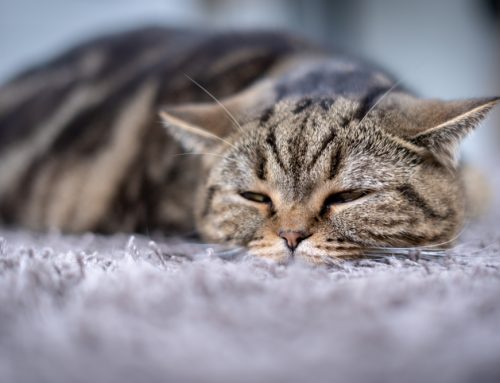
Cats are especially good at hiding pain. The Feline Grimace Scale is a practical tool owners can use at home, since partially closed eyes, flattened ears, a tense muzzle, and changed whisker position all suggest discomfort. There’s a free app that allows you to take photos of your cat, and it’ll let you know if signs of pain are present.
Arthritis and Mobility Pain
Joint pain is the most common painful condition in senior pets. Osteoarthritis affects most senior dogs and a significant share of senior cats, and the behavioral signs often appear before owners notice a limp. Dogs show it as irritability during handling, reluctance to jump or climb stairs, stiffness after rest, and reduced exercise tolerance. Cats show it differently, through reduced grooming, avoiding elevated surfaces, missing the litter box when climbing in hurts, and withdrawal.
Dental Disease as a Hidden Source
Dental pain is another common culprit. Dental disease develops gradually and is often not obvious to owners until it is severe. Pets in dental pain may flinch when touched near the face, stop eating hard food, become withdrawn, or snap unexpectedly, and some stop playing with toys because chewing hurts. Our dentistry workups for senior pets routinely turn up dental issues that have been silently causing behavior change for months. Many families with senior pets report that their dog or cat acts years younger after dental procedures treat the pain and infection from chronic periodontal disease.
What Is Cognitive Dysfunction Syndrome?
Cognitive dysfunction syndrome, often called CDS, is the veterinary equivalent of dementia. It is most common in older dogs and cats and produces a recognizable pattern:
- Nighttime pacing or vocalization
- House-soiling despite previously reliable habits
- Getting stuck in corners or staring at walls
- Failing to recognize familiar people or other pets
- Disrupted sleep-wake cycles, sleeping more by day and restless at night
- Reduced interaction or response to commands
- Aimless wandering
CDS is a diagnosis of exclusion, so we rule out the medical conditions that mimic it, including kidney disease, pain, sensory loss, and thyroid disease, before settling on it. Early recognition matters because interventions like dietary support, supplements, environmental enrichment, and sometimes prescription medications can slow progression.
Which Medical Conditions Cause Behavior Changes?
Several common senior conditions directly alter mood, awareness, and personality, and treating the underlying disease often brings behavior back to normal.
Thyroid Disease and Behavior
Feline hyperthyroidism is one of the most common causes of behavior change in older cats, making them restless, vocal at night, irritable, and sometimes aggressive, often while eating ravenously and losing weight. The diagnosis is a simple blood test, and treatment usually resolves the behavioral changes alongside the physical ones. Hypothyroidism in dogs causes the opposite pattern: lethargy, weight gain, and sometimes fearfulness, anxiety, or uncharacteristic aggression alongside a dull coat and skin changes.
Other Diseases Causing Behavioral Changes
Just about any health issue will cause some sort of behavior change:
- Kidney disease causes nausea, discomfort, and toxin buildup that alter behavior, so affected pets often become picky, irritable, and less interactive as it progresses. They often need to urinate more, so may change their urination habits or start to urinate outside the litterbox.
- Cushing’s disease affects mood through cortisol excess, producing restlessness, panting, increased thirst and urination, and reduced sociability.
- Diabetes tends to cause weight loss, increased thirst and urination, and an increased appetite. If your pet is having accidents in the house or has an increased appetite, it’s worth paying attention to.
- High blood pressure can be caused by heart disease, thyroid problems, kidney disease, or obesity among other diseases, and shows up with disorientation, agitation, withdrawal, and vision loss.
All of these diseases show up on routine senior tests, and can be caught early- before behavior changes and severe damage to internal organs begins.
Sensory Loss and Behavior Changes
Gradual hearing or vision loss often looks like stubbornness, anxiety, or cognitive decline, because pets startle easily, become disoriented, or withdraw without owners realizing why.
Vision loss can be age-related, like from cataracts. It can also be a sign of more severe issues- like retinal detachment from high blood pressure or glaucoma. If you notice your pet bumping into things or hesitate to go outside at night, an eye exam is warranted.
Hearing loss can also be a normal part of aging, but also be related to ear infections, tumors, or endocrine diseases. A blood panel and ear exam should be performed to look for underlying causes.
Living with sensory loss gets easier with environmental adjustments like keeping furniture consistent, using hand signals, and approaching from the front, but identifying the sensory change is the first step.
Why Do Regular Visits Matter for Senior Pets?
Regular visits matter because they catch the conditions that drive behavior change before they become obvious. Twice-yearly wellness exams for senior pets, paired with preventive testing for senior pets including bloodwork, urinalysis, blood pressure, and thyroid testing, create a trend baseline that makes catching a shift much easier. A kidney value that has drifted over two years tells us more than a single number ever could, and the earlier we catch a treatable condition, the more we can do.
What Are the Treatment and Pain Management Options?
A tailored, multimodal plan provides the most consistent results in senior pets, combining several of the following:
- NSAIDs for inflammation and pain when appropriate for the individual pet
- Monoclonal antibody therapies like Librela for dogs with osteoarthritis and Solensia for cats with osteoarthritis
- Gabapentin and other adjunctive medications for chronic pain
- Laser therapy that reduces inflammation and eases pain
- Joint supplements, including omega fatty acids and glucosamine and chondroitin
- Cognitive supplements for pets showing signs of CDS
- Anti-anxiety supports, from supplements or pheromones to prescription medications
Every plan is built around the specific pet’s diagnoses, response to treatment, and how their behavior changes as treatment takes hold.
How Can You Support a Senior Pet at Home?
Home support makes a real difference for a senior pet dealing with pain, anxiety, or cognitive change, and most of it is straightforward:
- Keep routines consistent, since feeding times, walks, and bedtime should not shift around.
- Create calm, accessible resting areas, like orthopedic or low-entry beds in quiet spots away from foot traffic, kids, and other pets.
- Reduce environmental stressors with predictable noise, fewer transitions, and simpler household patterns.
- Use enrichment such as food puzzles, sniff walks, and gentle play matched to the pet’s mobility.
- Make physical modifications for an arthritis-friendly home with traction on travel paths, ramps onto furniture and the car, and raised bowls.
- Consider assistive devices as mobility loss progresses, like harnesses that help balance or nail grips to help traction.
- Address sensory adjustments, keeping furniture consistent for visually impaired pets, adding nightlights, and using hand signals or vibration cues for hearing-impaired pets.
Frequently Asked Questions About Senior Pet Behavior
My Older Dog Has Started Having Accidents in the House. Is This Just Dementia?
Maybe, but not necessarily. House-soiling in a previously reliable senior pet can mean cognitive dysfunction, urinary tract disease, diabetes, kidney disease, arthritis when the pet cannot get outside fast enough, or pain. The workup looks at all of these, and bloodwork, urinalysis, and a thorough exam usually narrow it down quickly.
My Senior Cat Has Started Hiding and Acting Irritable. Is Something Wrong?
Almost certainly something is going on. Cats hide pain effectively, and behavioral withdrawal is one of the most reliable early signs that something hurts or feels wrong. Arthritis, dental disease, kidney disease, and hyperthyroidism are all common drivers, so a senior exam with bloodwork is the right next step.
Are Behavior Changes in Senior Pets Reversible?
Many are, especially when the underlying cause is a treatable medical condition. Hyperthyroid cats often return to their old personalities once thyroid levels normalize, dogs with treated dental pain become more themselves, and pets with managed arthritis often re-engage with activities they had stopped. Cognitive dysfunction is harder to reverse but can be slowed substantially with early intervention.
Aging Pets Deserve a Real Workup, Not Acceptance
The instinct to chalk up changes to age is understandable, but it costs senior pets quality time. Most behavior changes in older pets are workable, and bloodwork, a thorough exam, pain assessment, and a willingness to investigate are what turn “she’s just getting old” into a real treatment plan.
If your senior pet has been acting differently and you are not sure what to make of it, book a senior wellness visit or reach out to us to talk through what you are noticing.







Leave A Comment