
A Serious but Treatable Condition
Urinary blockages are one of the most common and life-threatening emergencies seen in male cats. Their unique anatomy, featuring a long, narrow urethra, makes them more susceptible to obstructions caused by urinary crystals, mucus plugs, inflammation, or small stones. If left untreated, a blockage prevents urine from leaving the bladder, leading to intense pain, kidney damage, and potentially fatal toxin buildup in the bloodstream.
Understanding this condition and acting quickly can save a cat’s life. Learn more from this comprehensive resource: Urethral Obstruction in Cats – iCatCare.
Symptoms of Urinary Blockages in Cats
Recognizing the early warning signs of a urinary blockage can mean the difference between a treatable issue and a medical emergency. Symptoms often include:
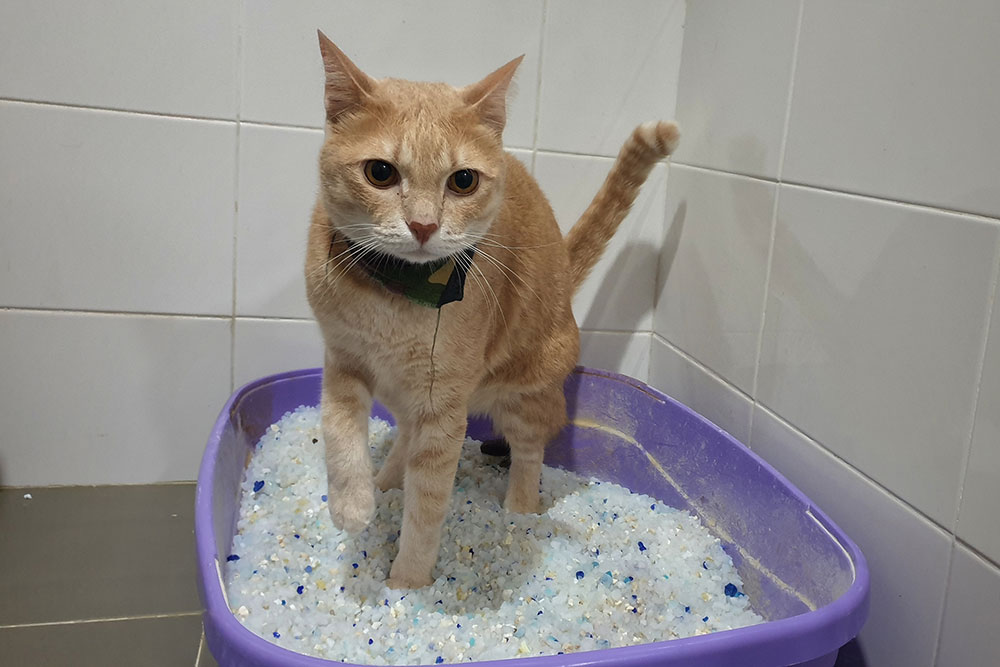
- Straining to urinate (frequent trips to the litter box with little or no urine)
- Vocalizing in pain while attempting to urinate
- Licking the genital area excessively
- Restlessness or hiding
- Blood in the urine
- Lethargy, vomiting, or loss of appetite in severe cases
A blocked urethra prevents urine from exiting the bladder, causing it to expand painfully and press against other organs. If the bladder ruptures or toxins accumulate in the bloodstream, the situation can become fatal within 24-48 hours.
Immediate veterinary care is necessary to relieve the blockage and stabilize the cat. Learn more about when to seek emergency treatment: Sick Pet Visits – Cobb & Co. Veterinary Clinic.
Causes of Urinary Blockages
Urinary blockages can result from a combination of factors, including:
- Urinary Crystals and Stones: Some diets, particularly those high in magnesium, phosphorus, or calcium, can contribute to crystal and stone formation in the urine.
- Mucus Plugs: Inflammation in the urinary tract can cause excess mucus, which combines with crystals or debris to form an obstruction.
- Stress and Anxiety: Environmental stressors, such as changes in routine, litter box issues, or household conflicts, can increase the risk of urinary problems.
- Dehydration: Low water intake leads to concentrated urine, which makes crystal formation more likely.
- Obesity and Inactivity: Overweight cats tend to be at higher risk due to reduced water intake and metabolic imbalances.
A cat’s diet plays a significant role in urinary health. Feeding a balanced, high-quality diet designed to prevent crystal formation can greatly reduce risk. Learn more about nutritional management: Nutritional Counseling – Cobb & Co. Veterinary Clinic.
Diagnosing and Treating Urinary Blockages
At Cobb & Co. Veterinary Clinic, a suspected urinary blockage is considered an emergency case. Our veterinary team will perform:
- Physical Examination: Assessing bladder size and pain levels.
- Urinalysis: Detecting crystals, blood, bacteria, or abnormal pH levels.
- Imaging (X-rays/Ultrasound): Identifying stones, inflammation, or other urinary tract abnormalities.
Treatment Options for Urinary Blockages
Once diagnosed, treatment aims to relieve the blockage, stabilize the cat, and prevent recurrence. Standard treatment includes:
- Urinary Catheterization: A soft catheter is inserted into the urethra to remove the obstruction and drain the bladder.
- Fluid Therapy: IV fluids help flush toxins from the kidneys and restore electrolyte balance.
- Pain Relief and Anti-Inflammatory Medications: To ease discomfort and reduce swelling.
- Antibiotics (if infection is present): Secondary infections may occur due to inflammation or prolonged blockage.
In cases where stones are present, surgical removal may be necessary. Learn more about our advanced surgical care options: Surgery Services – Cobb & Co. Veterinary Clinic.
For severe or recurrent blockages, a perineal urethrostomy (PU) surgery may be recommended. This procedure removes the narrowest portion of the urethra, creating a wider opening to prevent future blockages. Read more about urinary obstruction in male cats – ACVS.
Post-Treatment Care and Monitoring
After treatment, ongoing home care and monitoring are critical to prevent recurrence. Key aspects include:
Hydration and Diet Management
- Provide fresh, clean water at all times.
- Consider a pet fountain to encourage drinking.
- Feed a moisture-rich diet (wet food or water-added kibble).
- Use veterinary-prescribed urinary diets that reduce crystal formation.
Litter Box Hygiene
- Keep the litter box clean to encourage proper urination.
- Provide multiple litter boxes in multi-cat homes.
- Choose a dust-free, unscented litter to avoid irritation.
Regular check-ups are vital to monitor kidney function and urinary tract health.
Preventing Urinary Blockages in Male Cats
Preventative measures can reduce the likelihood of recurrence and improve long-term urinary health.
Tips for Prevention:
- Feed a prescription urinary diet tailored for cats prone to blockages.
- Encourage hydration by using wet food or adding water to meals.
- Minimize stress by keeping a consistent routine and providing enrichment.
- Maintain a healthy weight through proper diet and play.
Cats that have had one urinary blockage are at higher risk for future episodes. If your cat has experienced a blockage, ongoing management is essential.

Frequently Asked Questions About Urinary Blockages in Cats
What should I do if I suspect my cat has a urinary blockage?
- Seek emergency veterinary care immediately. This condition can be fatal if untreated.
Can urinary blockages recur after treatment?
- Many cats will experience recurring blockages, particularly if diet, hydration, and stress factors are not addressed.
How can I reduce my cat’s stress levels to prevent urinary issues?
- Provide a calm environment, keep litter boxes clean, and engage in daily playtime. Using pheromone diffusers may also help.
Why Choose Cobb & Co. Veterinary Clinic for Your Cat’s Urinary Health?
At Cobb & Co. Veterinary Clinic, we offer the diagnosis, treatment, and prevention of urinary issues in cats- and peace of mind for you. Our state-of-the-art diagnostic tools, compassionate care team, and commitment to long-term health management ensure that your cat receives the best possible treatment and aftercare.
If your cat is experiencing urinary distress, don’t wait—early intervention is key.
Schedule an appointment with our expert veterinary team today.






Leave A Comment