
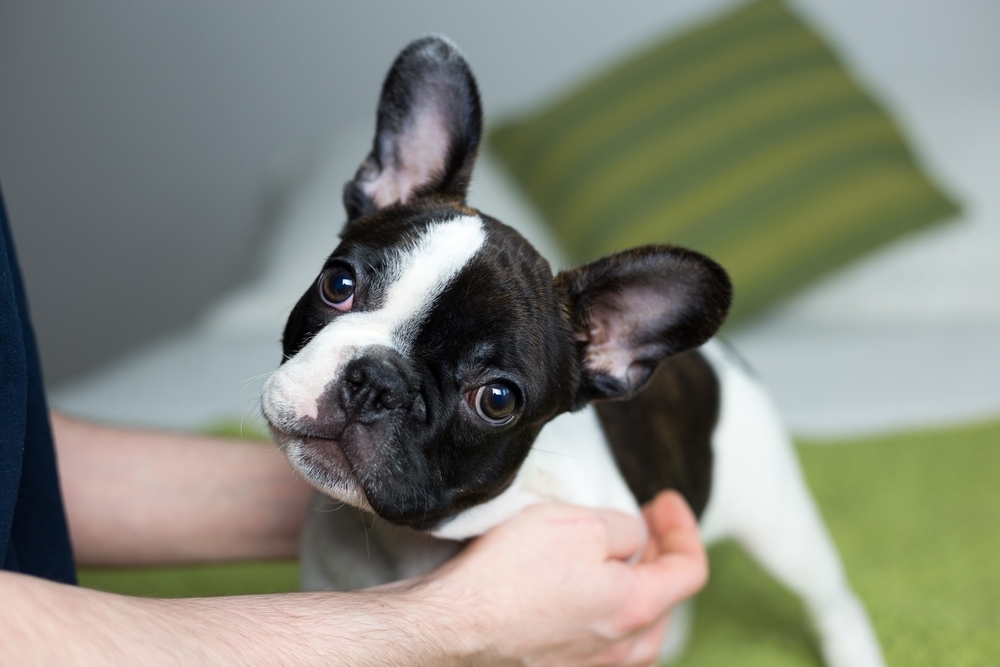
Why Your Dog Snores: The Truth About Brachycephalic Airway Issues
You’re curled up on the couch, enjoying a quiet evening, when you hear it: the adorable, rumbling snore coming from your dog asleep beside you. Every pet owner loves those little noises, but have you ever worried if that cute snort is more than just a sound of deep sleep? For certain breeds like Pugs and Bulldogs, that regular snoring can actually be a sign of something serious. Their unique facial structure, with narrow nostrils and elongated soft palates, often makes breathing a struggle. Learning about this common condition and seeking early care is the key to helping your pet breathe, and sleep, much more easily.
At Cobb & Co. Veterinary Clinic, our team understands how concerning snoring and breathing difficulties can be for pet parents. We provide thorough evaluations, gentle handling, and clear communication to help you understand what’s normal and what’s not. Whether through wellness and preventative care, surgery to improve breathing, or same-day urgent visits, we’re here to make sure your dog’s snoring is simply cute- not a cause for worry.
Why Dogs Snore and When It’s a Concern
Many dogs snore occasionally, but for brachycephalic dogs– those with shortened muzzles- snoring is far more common. These short-nosed dogs include breeds like French Bulldogs, Boston Terriers, Pugs, and Shih Tzus. Their compact facial structure narrows the nasal passages and airways, which creates that signature snuffling sound.
However, snoring can also indicate an underlying problem such as airway obstruction, allergies, or infection. If your dog snores loudly when awake, tires quickly during walks, or struggles in hot weather, it’s important to schedule a veterinary exam. Even mild snoring can worsen over time as airway tissues become inflamed from constant vibration. Left unchecked, these changes can lead to chronic breathing difficulty, heat intolerance, or even collapse.
Our diagnostic services can identify whether your dog’s breathing pattern is typical or if intervention is needed to ensure they can rest and play comfortably. We use gentle physical exams and, when necessary, imaging or endoscopic evaluation to visualize the nasal passages and throat safely.
Understanding Brachycephalic Breeds and Their Anatomy
What Makes These Breeds Unique
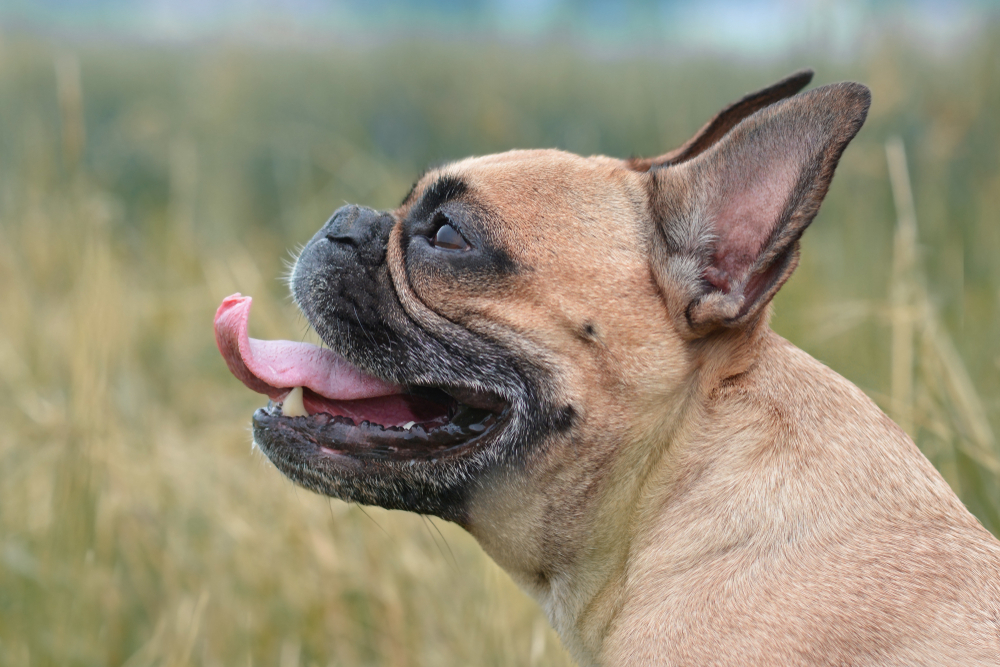
Brachycephalic dogs have shortened skulls, smaller nasal openings, and elongated soft tissue within the throat and palate. These features give them their signature round faces and expressive eyes- but also make breathing less efficient.
While mild snoring can be normal, excessive noise, gagging, or restless sleep can point to airway restriction. Over time, chronic strain on the respiratory system can lead to more serious issues like heat intolerance, tracheal collapse, or fainting spells. Some dogs even develop secondary changes to their laryngeal structures that make breathing progressively harder.
Our veterinarians at Cobb & Co. are skilled in assessing these breed-specific challenges, using calm, low-stress methods to make exams more comfortable. We often recommend periodic airway checks and weight monitoring for short-nosed dogs to keep breathing as easy as possible.
Common Airway Complications That Increase Snoring
Stenotic Nares and Elongated Soft Palate
Two common contributors to noisy breathing in brachycephalic breeds- known as “Brachycephalic Obstructive Airway Syndrome” are stenotic nares and an elongated soft palate. Stenotic nares occur when a dog’s nostrils are too narrow, restricting airflow and forcing them to breathe through their mouths. An elongated soft palate can obstruct the airway at the back of the throat, especially during sleep or excitement.
If you notice snoring combined with panting at rest or restless sleep, it may signal that your dog’s airway is working harder than it should. In severe cases, it can lead to respiratory distress, which requires urgent veterinary care.
Some dogs also develop everted laryngeal saccules- tiny tissue folds that protrude into the airway after prolonged effort to breathe. This can further restrict airflow and worsen symptoms. At Cobb & Co., we can evaluate your pet’s airway and, when necessary, discuss surgical options through our surgical services to widen nostrils or shorten soft palate tissue, helping your dog breathe comfortably and safely.
Managing Everyday Health for Brachycephalic Dogs
The Role of Weight and Exercise
Excess weight is one of the most significant risk factors for breathing difficulty. Maintaining a lean body condition helps short-nosed breeds regulate temperature and oxygen intake. Research shows that proper body condition and thermoregulation directly impact how efficiently these dogs breathe and cool themselves.
Regular, gentle activity is essential, but intensity must be adjusted for your dog’s stamina. Short walks in cool weather, indoor play, and mental stimulation keep your pet fit without overexertion. Avoid exercise during the hottest parts of the day, as brachycephalic breeds cannot dissipate heat effectively through panting.
Our veterinarians can create customized nutrition and activity plans that match your dog’s lifestyle. Controlled portion sizes, scheduled feeding times, and gentle exercise- like short walks or indoor play- help prevent overheating and airway strain. We emphasize positive, realistic changes that fit easily into your routine, ensuring your pet stays both happy and healthy.
Anesthesia Planning and Safety for Short-Nosed Breeds
Why Specialized Care Matters
Anesthesia poses extra challenges for brachycephalic dogs, making careful preparation and monitoring essential. Their narrow airways and thickened tissues mean even mild swelling or relaxation can cause obstruction. Our team follows protocols designed specifically for these breeds, including pre-anesthetic airway assessments, tailored drug choices, and constant oxygen and heart monitoring during procedures.
If your dog needs a procedure, discuss our approach to anesthesia for short-snouted pets. We conduct thorough pre-op consultations and plan for safe, calm recoveries in our quiet environment. With individualized attention and advanced monitoring, we ensure every patient remains stable and comfortable before, during, and after surgery.
Our recovery plans also include oxygen therapy and temperature control to minimize stress during wake-up- critical steps that make a big difference in comfort and safety.
When to Seek Veterinary Help Immediately
Recognizing Serious Airway Distress
While snoring can be harmless, certain signs signal something more urgent. Watch for:
- Noisy breathing even at rest
- Excessive panting or wheezing
- Gagging or retching during eating or play
- Blue or gray gums or tongue
- Collapse or sudden weakness
Environmental triggers like heat, excitement, or even stress can worsen symptoms rapidly.
If your dog experiences these signs, call us immediately or bring them to our urgent and emergency care team for assessment. We can provide oxygen therapy, medication, or surgery if necessary to relieve breathing difficulties. Prompt treatment prevents long-term damage to the heart and lungs, ensuring your dog can return to easy, relaxed breathing.
Helping Brachycephalic Dogs Breathe Easier and Live Happier
Caring for brachycephalic breeds requires understanding, patience, and partnership. With attentive home care, proper weight management, and regular veterinary monitoring, your dog can enjoy a full, comfortable life- snuffles and all.
At Cobb & Co. Veterinary Clinic, we’re passionate about helping dogs of all shapes and sizes breathe easier. Whether your pet’s snoring is mild or has become worrisome, we’ll walk you through every step of diagnosis and care with compassion and transparency.
Schedule a breathing assessment- book now or contact us directly to discuss your dog’s unique needs. Our team is ready to help your pet rest easy- literally.



Leave A Comment