

Helping Your Anxious Dog Feel Safe: A Guide to Recognition and Relief
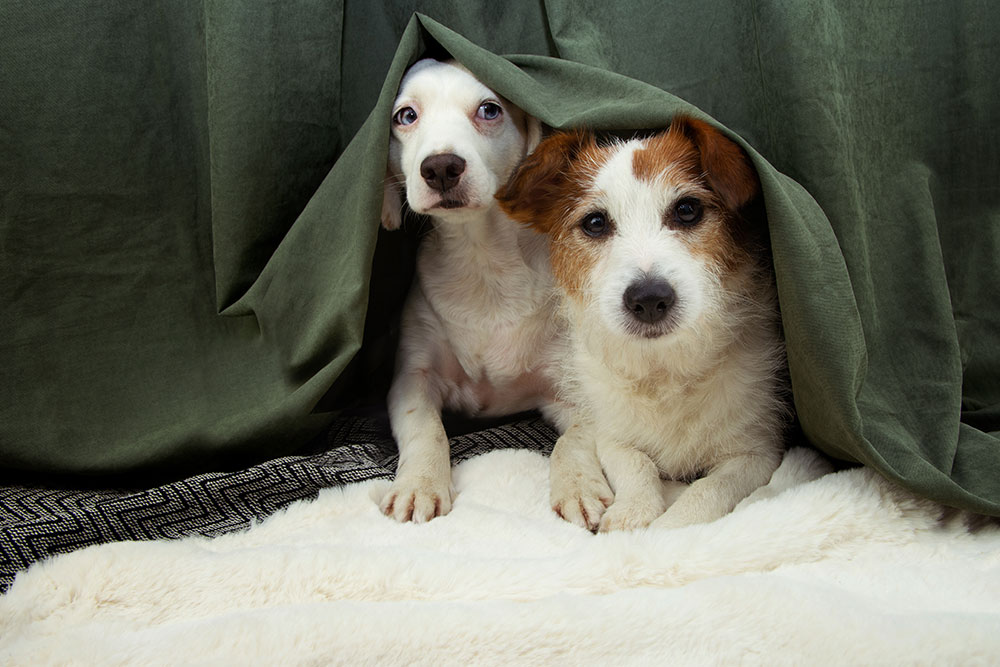
Watching your dog tremble during a thunderstorm, pace endlessly when you’re getting ready to leave, or bark frantically at passing strangers can feel helpless. Anxiety affects dogs in many ways: panting, shaking, hiding, destructive chewing, constant barking, or escape attempts. Once you understand what’s triggering your dog’s anxiety and recognize the early warning signs, you can take real steps to help.
Triggers are sometimes clear- thunderstorms, fireworks, being left alone, unfamiliar places, new people, or vet visits- and sometimes not. The path to helping an anxious dog usually combines simple home changes, patient positive training, and when needed, medication so learning can happen.
At Cobb & Co. Veterinary Clinic in Elgin, we understand how challenging it is to live with an anxious dog. Our team includes Fear Free Certified Professionals, including Dr. Cobb and Dr. Alesia, who are trained in low-stress handling techniques. Through our behavioral counseling services, we identify triggers, create personalized plans, and determine whether medication might support training. Book an appointment or contact us to discuss your dog’s challenges.
Reading Your Dog’s Stress Signals
Anxiety isn’t always obvious. Some dogs pace, pant, drool, or refuse food. Others follow closely, paw for attention, or hide. Common anxiety signs include:
- Chewing door frames, windowsills, or furniture near exits
- Scratching at doors or windows when left alone
- Persistent barking or whining
- OCD-like behaviors like fly-biting or shadow chasing
- Overgrooming that causes bald spots
- Trembling, hiding, or not eating during stressful times
Watch for early signals of your dog’s stress escalating: lip licking, yawning, turning away, stiffening, or pinned ears. Create distance or offer calm activities when you spot these signs. Ignoring communication and body language like punishing growling can result in your dog escalating to bites or worsening anxiety.
Track patterns: When does it happen? For how long? What came before? Simple notes help distinguish anxiety from boredom, training gaps, or medical problems. Early wellness and preventative care lets us spot concerns sooner. Through behavioral counseling, we create positive, personalized strategies.
What Makes Some Dogs More Prone to Anxiety?
Anxiety is usually a mix of factors:
- Genetics: Some dogs are naturally more sensitive or vigilant
- Early experiences: Puppy socialization builds confidence. Gaps can lead to fear of novelty later
- Past trauma: Shelter stays, break-ins, or scary experiences leave lasting impacts
- Environment changes: Moves, schedule shifts, new pets, or visitors unsettle dogs
- Unmet needs: Pent-up mental and physical energy can boil over into anxious behavior
- Medical issues: Pain, arthritis, or dental problems lower tolerance. Seniors may develop cognitive dysfunction, increasing confusion and nighttime restlessness
If anxiety appears suddenly or worsens quickly, a vet check is essential to rule out pain or illness.
Addressing Common Anxieties Through Positive Training
Many anxiety-related behaviors respond well to patient, reward-based training. Rather than punishing fearful reactions, positive training teaches dogs new, calmer responses to stressful situations. This builds confidence and creates lasting behavioral change without fear or force. Progress happens in small increments, and setbacks are normal. Move at your dog’s pace and never push beyond their comfort threshold. Punishment when your dog is anxious is just adding negativity to an already scary situation- making it worse.
Separation Anxiety
Dogs with separation anxiety experience genuine panic when left alone: excessive barking, destructive chewing, house soiling, or escape attempts. Teach your dog that being alone predicts good things. Start with very short absences and gradually increase duration as your dog stays calm. Provide high-value treats or puzzle toys they only get during alone time.
Counterconditioning changes responses to pre-departure cues. Practice picking up keys or putting on shoes multiple times daily without leaving. These cues lose their anxiety-triggering power. Keep departures and arrivals low-key, rewarding only calm behavior.
Noise Aversion
Dogs with noise aversion may pant, pace, hide, or become destructive during thunderstorms, fireworks, or loud sounds. Counterconditioning pairs the scary sound with something wonderful. Start with recordings at very low volume where your dog notices but doesn’t react fearfully. Deliver high-value treats continuously while the sound plays; when it stops, treats stop. Slowly increase volume over weeks as your dog stays relaxed.
During actual noise events, create a safe space, provide white noise or music, and offer long-lasting chews. Never force confrontation or punish fearful behavior.
Fear of Vet Visits and Handling
Many dogs develop anxiety around veterinary visits, grooming, nail trims, or restraint situations. Past negative experiences, pain during examinations, or unfamiliar environments create lasting fear. Dogs may shake, pant, hide, or become defensive.
Building positive associations through cooperative care training helps dogs learn they have choices during necessary procedures. Start at home by pairing gentle touches with treats, working gradually from less sensitive areas to challenging spots like paws and ears. Practice in short, positive sessions.
Making veterinary visits less stressful involves preparation and advocating for your dog’s needs. Schedule “happy visits” for treats and attention without procedures. Bring high-value treats, favorite toys, or a mat from home. Arrive early to decompress, and communicate your dog’s specific fears so the team can adapt their approach.
Our Fear Free Certified team recognizes stress signals and modifies handling to keep anxious dogs comfortable during necessary care.
Fear of Other Pets and People
Many dogs experience fear around unfamiliar dogs or people. This often shows up as leash reactivity– lunging, barking, or pulling- but can also appear as hiding, trembling, or trying to escape. These reactions stem from fear or feeling trapped rather than aggression, and typically worsen over time if not addressed.
The engage-disengage game teaches dogs to notice triggers calmly and look away. Start at a distance where your dog can see the trigger but remains calm. When your dog notices it, mark with “yes!” and reward. As they understand the pattern, they’ll look at the trigger then back to you for the reward. Practice at comfortable distances, gradually decreasing as ability improves.
Your Anxiety Action Plan: Steps to Help Your Dog
If your dog is showing signs of anxiety, work through these steps systematically to address the underlying causes and build a comprehensive support plan:
- Rule out medical issues: Pain, endocrine diseases like hypothyroidism or Cushing’s disease, cognitive dysfunction, and other health problems can cause or worsen anxiety. Schedule a veterinary exam to ensure physical health isn’t contributing to behavioral changes.
- Meet basic needs: Evaluate whether your dog is getting proper nutrition, adequate daily exercise appropriate for their age and breed, and sufficient social interaction. Unmet physical or social needs often manifest as anxious behaviors.
- Add enrichment: Incorporate puzzle feeders, scent work games, interactive toys, and dedicated play sessions into your dog’s routine. Mental stimulation tires dogs as much as physical exercise and gives anxious energy a positive outlet.
- Try supplements and calming aids: Before jumping to prescription medications, consider L-theanine supplements, calming chews, pheromone diffusers or collars, ThunderShirts, or calming probiotics. These can provide meaningful support for mild to moderate anxiety.
- Implement positive reinforcement training: Work on counterconditioning and desensitization around specific triggers, but also build general obedience skills and trust through reward-based methods. Positive training strengthens your bond and gives your dog confidence that translates to reduced generalized anxiety.
- Consider medications when needed: If you’ve addressed medical issues, met basic needs, added enrichment, tried supplements, and implemented training but your dog’s anxiety still significantly impacts their quality of life, prescription anti-anxiety medication may provide the relief they need to truly thrive.
When to Seek Professional Help
Consult with a veterinarian if your dog’s anxiety:
- Interferes with eating, sleeping, or daily life
- Involves nonstop licking, spinning, tail chasing, or self-trauma
- Puts anyone at risk through reactivity or escape attempts
- Keeps worsening despite your efforts
Our behavioral consultations start with a physical exam to check for pain or illness and we may recommend basic diagnostics if needed. Because our team includes Fear Free Certified Professionals, we use gentle, low-stress handling techniques during these evaluations to keep anxious dogs as comfortable as possible. Your history guides a realistic, step-by-step plan.
If working with a skilled trainer would benefit your dog, we’re happy to recommend local positive reinforcement trainers who use science-based, reward-focused methods. For complex cases needing specialized expertise, we can provide referrals to board-certified veterinary behaviorists. These professionals work alongside our team to create comprehensive treatment plans.
If your dog is experiencing sudden or severe anxiety symptoms, we’re open for urgent care six days a week during open hours for same-day appointments. Our Fear Free handling methods help minimize additional stress during these already-difficult moments.
Medical Support for Anxiety Management
For severe cases or behaviors that don’t improve with training alone, combining behavioral modification with veterinary-prescribed anti-anxiety medication provides the relief your dog needs to learn and succeed. Medication doesn’t replace training, but it lowers anxiety enough that your dog can focus, practice calm behaviors, and form new associations.
Prescription Medications for Anxiety
Different medications work in different ways, and choosing the right one depends on your dog’s specific anxiety type, severity, and overall health. We carefully tailor medication plans to each individual patient.
Daily medications are given consistently every day and work best for generalized anxiety, chronic fear-based behaviors, or conditions like separation anxiety. These typically take several weeks to reach full effectiveness:
- Fluoxetine (an SSRI) is commonly used for separation anxiety, generalized anxiety, and fear-based aggression, reducing overall anxiety levels and increasing coping ability
- Sertraline (an SSRI) works similarly to fluoxetine and may be chosen based on individual response or side effect profile
- Clomipramine (a tricyclic antidepressant) is FDA-approved for canine separation anxiety and also helps with compulsive behaviors, generalized anxiety, and noise phobias
- Buspirone can be useful for generalized anxiety in dogs without aggression history
Situational medications are given as needed before predictable anxiety-triggering events like thunderstorms, fireworks, car rides, or vet visits:
- Trazodone provides mild to moderate sedation and anxiolysis for short-term stressful situations, working relatively quickly and can be combined with daily medications under veterinary guidance
- Alprazolam (a benzodiazepine) offers fast-acting relief for acute anxiety episodes, particularly helpful for noise phobias or brief stressful events
- Gabapentin helps with anxiety related to specific situations like vet visits or travel, and also addresses pain that may be contributing to anxious behavior
All prescription medications require veterinary oversight, baseline bloodwork before starting long-term therapy, and regular monitoring for effectiveness and side effects.
Supplements and Calming Aids
For mild to moderate anxiety, or as additions to a comprehensive treatment plan, several non-prescription options can provide support. You can find these in our online pharmacy:
- L-theanine supplements like Anxitane promote relaxation without sedation by supporting calming neurotransmitters in the brain. These work well for mildly anxious dogs or those facing predictable low-level stressors.
- Composure Calm & Confident Soft Chews combine L-theanine with colostrum and B vitamins to support balanced behavior during stressful situations. Many dogs benefit from these given 30 minutes before anxiety-triggering events.
- Zylkene Plus Capsules contain alpha-casozepine, a milk protein that promotes calming effects, along with L-theanine and B vitamins. These can be given daily or before stressful events.
- Solliquin Behavioral Health Supplement Soft Chews blend L-theanine, magnolia and phellodendron extracts, and whey protein to support calm behavior in anxious dogs.
- Purina Pro Plan Veterinary Diets Calming Care Supplement is a probiotic strain that supports the gut-brain connection and may help dogs maintain calm behavior during stressful situations when given daily.
- ThunderEase Calming Collar releases dog-appeasing pheromones (DAP/Adaptil) that mimic the calming signals mother dogs give to puppies. These collars provide continuous pheromone exposure and work well for general anxiety, fear of new environments, or multi-dog households.
- ThunderShirt applies gentle, constant pressure that has a calming effect on many anxious dogs, similar to swaddling an infant. It’s particularly helpful during thunderstorms, fireworks, travel, or separation.
Additional Support
- Pain control: Treating underlying discomfort can dramatically reduce anxiety and reactivity. We’ll assess your dog for pain and recommend appropriate medications when needed.
- Nutritional counseling: Through nutritional counseling, we can discuss therapeutic diet options, appropriate supplements for your dog’s specific needs, and how to track progress over time.
Our team is here to go over all possible options to set you and your dog up for success, whether short-term needs or life-long anxiety support. We understand how stressful living with an anxious dog can be. We set clear goals, watch for side effects, and adjust treatments as your dog improves. Every dog responds differently, so we’ll work together to find the right combination.
Your Partner in Creating Peace
Anxiety is common and manageable. Early recognition, simple home routines, and positive training make a real difference. Veterinary guidance ensures pain or medical issues aren’t missed and adds tools when your dog needs extra support. With our Fear Free approach, even visits to the vet can become less stressful experiences for your anxious dog.
You don’t have to do this alone. Our team will help you understand your dog’s stress, choose the right strategies, and track progress. Contact us with questions about your dog’s behavior or schedule an appointment to start a personalized plan. We’re here to help your dog feel calmer, safer, and more confident every step of the way.