
The Hidden Pain of Misaligned Teeth: Why Malocclusions Matter
Misaligned jaws affect more than appearance. Severe overbites can let lower canine teeth puncture the roof of the mouth. Underbites may cause uneven wear that exposes sensitive tooth layers. Crowded or crooked teeth trap food, raising the risk of gum disease. While not every misalignment needs treatment, knowing which bites affect health versus those that are just cosmetic helps you decide on care.
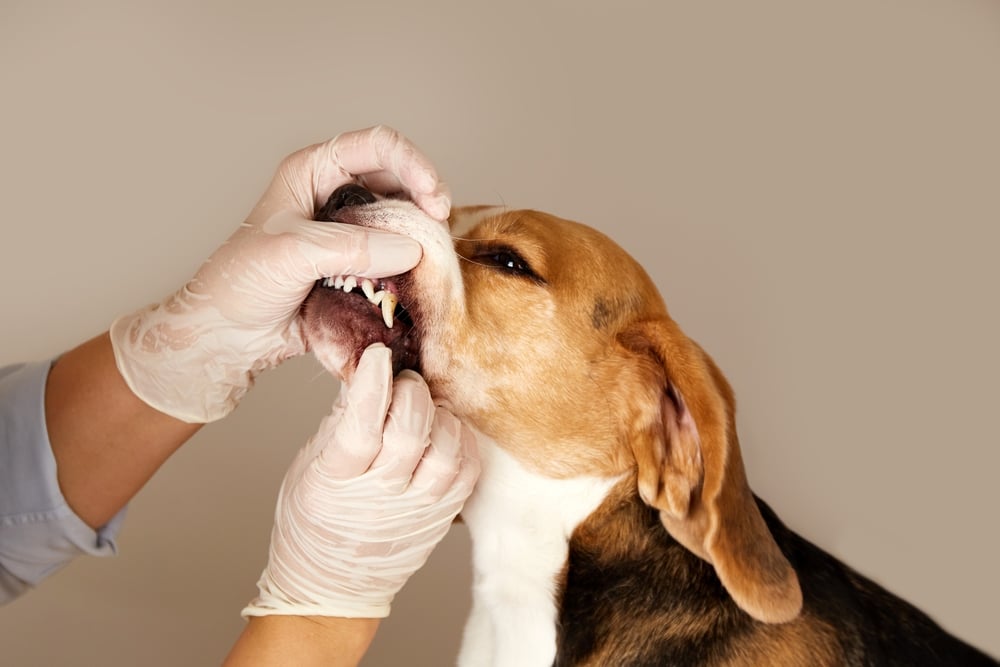
Cobb & Co. Veterinary Clinic in Elgin checks for dental malocclusions during routine wellness visits and comprehensive dental examinations. We look for problems like teeth contacting soft tissue, difficulty eating, or under and over bites. When misalignment causes pain or trauma, we discuss options such as orthodontic devices, selective extractions, or referral to a specialist. Through our dental packages, we also manage gum disease that forms more easily around crooked teeth. Book an appointment if you’re concerned about your pet’s bite or comfort.
When Your Pet’s Unique Smile Signals a Problem
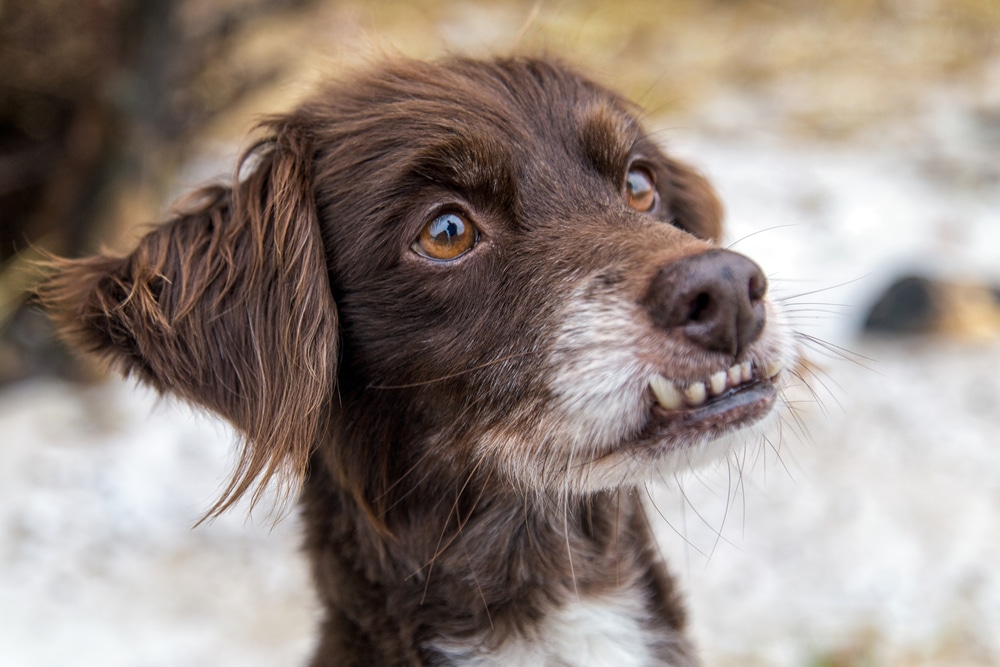
An underbite or snaggle-tooth can look adorable. But sometimes that “cute” feature is a malocclusion that causes pain, trouble eating, or dental disease. The goal is to separate harmless quirks from issues that affect health.
Not every unusual bite needs fixing. Many pets live comfortably with mild misalignments. During comprehensive dental evaluations, we check how teeth meet, whether any tooth pokes soft tissues, and if the bite allows easy eating and normal jaw movement.
Have you noticed your pet dropping food, chewing on one side, or avoiding toys? Those are signs to get the bite checked.
How Teeth Should Fit Together
In a normal “scissor bite,” the upper front teeth rest just ahead of the lower front teeth, and the canines fit neatly without hitting the gums or palate. This lets pets chew comfortably and protects teeth and soft tissues.
Common bite types include:
- Class 2 malocclusion (overbite): upper jaw extends too far forward
- Class 3 malocclusion (underbite): lower jaw sticks out past the upper jaw
- Wry bite: one side of the jaw is longer than the other
- Open bite: front teeth don’t touch when the mouth closes
- Crowding: teeth overlap due to limited space
Some breed standards favor bites that can harm health. Short-faced breeds may have developmental abnormalities of the mouth that are “normal” for them- but that doesn’t mean healthy. We check bite alignment at puppy and kitten visits and adult wellness visits to catch problems early.
The Challenges Facing Flat-Faced Breeds
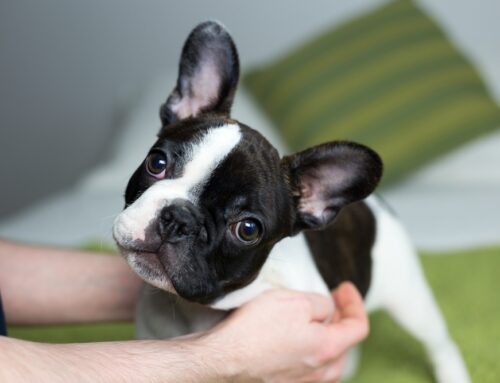
Brachycephalic dogs like Pugs, French Bulldogs, and Shih Tzus have the same number of teeth as other dogs but far less room. Teeth rotate, overlap, and crowd, trapping food and speeding up plaque and gum disease. Baby teeth may not fall out on time because permanent teeth come in at the wrong angle. Teeth exposed to the air due to underbites are more prone to disease due to the lack of normal saliva around them.
Brachycephalic cats, such as Persians and Himalayans, face similar crowding and higher risks for retained baby teeth, tooth resorption, and periodontal disease. Mouth breathing from nasal issues can dry the mouth and worsen bacteria growth.
We tailor care plans for flat-faced pets to manage crowding, retained baby teeth, and long-term dental care, while considering their airway needs during dental procedures.
What Happens When Teeth Don’t Line Up
Misaligned teeth can cause real pain. Lower canines pointing inward may hit the roof of the mouth with every bite, creating wounds that can get infected. Uneven chewing pressure wears down enamel and exposes dentin, which is sensitive. Severe wear can reach the inner tooth and require extraction or a root canal.
Jaw discomfort may show up as fatigue during meals, dropping food, or avoiding hard chews. Many pets hide dental pain, so subtle changes matter. Malocclusion also raises the risk of periodontal disease by creating tight spaces where food and bacteria build up. Over time, gums get inflamed, bone support fades, and teeth loosen.
During exams, we look for soft tissue trauma, unusual wear, and food-trapping areas that point to a problematic bite.
When That Adorable Underbite Needs Attention
Breeds like Bulldogs, Boxers, and Boston Terriers commonly have underbites. A skeletal underbite is when the lower jaw is longer; a dental underbite is when the jaws are fine but tooth angles are off. Many breed-typical underbites are harmless if they don’t cause trauma or trouble eating.
Treating underbites in dogs becomes necessary if lower incisors or canines injure the gums or palate, if pets struggle to eat, or if teeth wear rapidly. Early care can help in growing pets.
We assess each case individually. Some pets just need regular monitoring. Others do better with selective tooth extraction or orthodontic correction. Comfort and function come first, not a “perfect” look.
Options for Correcting Problematic Bites
Veterinary orthodontics offers different options based on the problem, your pet’s age, and goals. The focus is simple: reduce pain and allow normal eating.
- Selective extraction: removing one or two teeth that cause trauma or block proper closure
- Crown reduction with vital pulp therapy: shortening a tooth that hits soft tissue while keeping it healthy
- Orthodontic appliances: braces or devices that gently move teeth, best for young pets still growing
- Surgical jaw correction: for severe skeletal issues, usually handled by specialists
We’ll guide you on the most practical path and work with veterinary dental specialists when advanced care is needed.
Keeping Pets Safe During Dental Procedures
Dental procedures that involve teeth or gums happen under general anesthesia to keep pets still and pain-free. Modern protocols are safe with good monitoring, but anesthesia in short-nosed pets needs extra care due to their airways.
At Cobb & Co., we create customized anesthetic plans for each pet. Our pre-anesthetic physical examinations check overall health. During procedures, we monitor heart rate, breathing, blood pressure, oxygen, and temperature. We use IV catheters and fluids to support circulation and recovery. Post-op laser therapy helps reduce inflammation and speed healing. We prioritize pain control with local blocks and medications to keep recovery smooth.
Seeing the Complete Picture Below the Gums
You can’t judge a tooth by the crown alone. Dental X-rays are needed because most of the tooth is below the gum line. Radiographs show root angles, bone support, and hidden issues you can’t see.
X-rays help determine whether a tooth can be saved or should be removed. A tooth that looks okay on the surface may have root problems. Conversely, a crooked tooth might have strong roots suitable for orthodontic movement. Full-mouth radiographs are included in our dental packages for precise, confident treatment decisions.
Catching Problems Early in Young Pets
Puppy and kitten visits are prime time to watch bite development. We track how permanent teeth erupt, whether baby teeth are retained, and whether the jaws grow in sync.
Some “problem” bites in young pets self-correct as the jaws grow. Others need early action. Retained baby teeth that block adult teeth should be removed promptly. Severe overbites that injure the palate need timely care to prevent long-term damage.
Our wellness programs include dental checks at every visit so we can time any treatment for the best outcome.
Managing Life with Misaligned Teeth
Many pets with mild malocclusion do well without correction. They just need good home care and routine monitoring.
- Brush daily if possible to reduce plaque in crowded areas
- Use dental treats or water additives as extras, not replacements for brushing
- Choose safe chews; avoid very hard items that can crack worn teeth
- Watch for red flags: dropping food, avoiding chews, pawing at the mouth, drooling, bad breath, blood-tinged saliva, or visible mouth sores
Regular professional cleanings help us check wear, gum health, and changes over time. Even without orthodontics, proactive care keeps pets comfortable.
FAQs: Quick Answers for Pet Parents
What is malocclusion?
It’s when teeth don’t line up correctly. This can be mild and harmless or cause pain, wear, and gum disease.
Does every underbite or overbite need treatment?
No. If your pet eats comfortably and teeth don’t injure soft tissues, we usually just monitor.
How do I know if my pet is in dental pain?
Look for dropping food, avoiding toys, chewing on one side, bad breath, or pawing at the mouth.
Can puppies and kittens outgrow bite issues?
Sometimes. Growth can improve alignment, but retained baby teeth or bites causing trauma need early care.
Are dental X-rays really necessary?
Yes. They reveal problems below the gum line, guiding smarter, safer treatment decisions.
Are braces for pets a thing?
Yes, in selected cases, especially for young pets. Often, simpler options like selective extraction are best.
Your Partner in Dental Health
Understanding your pet’s bite helps you protect comfort, chewing, and long-term health. Some pets need orthodontic care or selective extractions, while others just need steady monitoring and home care. We’ll talk through realistic options, expected outcomes, and what’s best for your pet.
Ready for peace of mind about your pet’s smile and comfort? Schedule a dental evaluation and bring your questions. We’re here to help, guide, and partner with you so your pet stays comfortable and healthy. If you’ve noticed changes in eating or chewing, or you’re worried about an underbite or overbite, reach out today. We’re here to ease your worries and support your pet’s care every step of the way.




Leave A Comment