
What to Expect with Common Orthopedic Surgeries
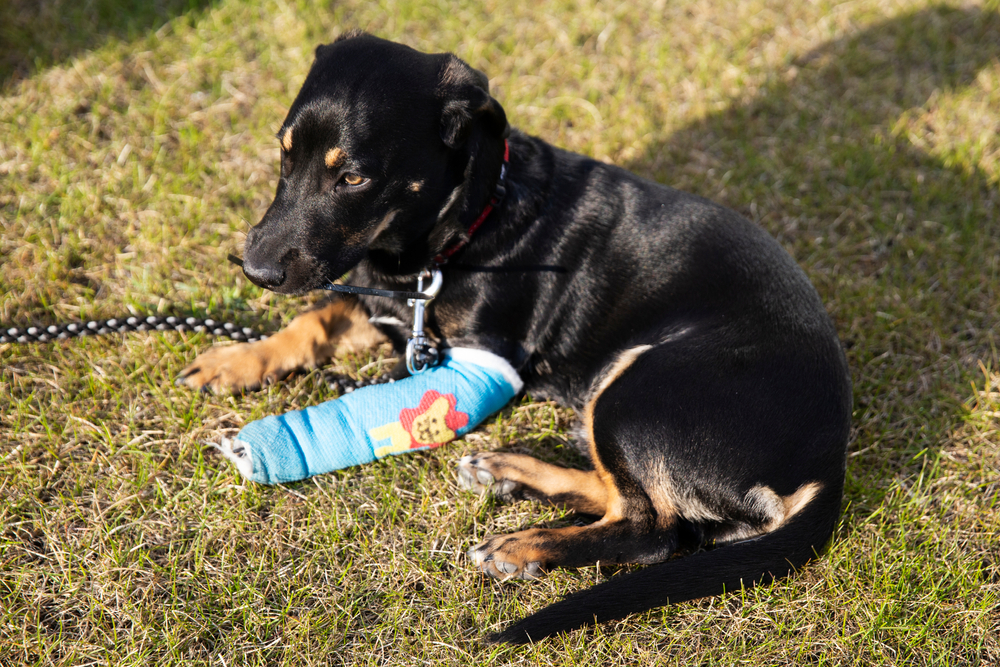
A limping dog or a cat who stops jumping are the kinds of things owners often watch for a week or two before deciding it’s time to make an appointment. Sometimes that makes sense. Other times, the underlying cause is an orthopedic problem that gets worse with waiting, and what looked like a minor limp turns out to be something that really needed attention sooner. Pets instinctively hide discomfort, so by the time a problem is obvious, it has often been building longer than anyone realized.
At Cobb and Co. Veterinary Clinic in Elgin, IL, we work with a board-certified veterinary surgeon who performs orthopedic procedures right here at our clinic. That means your pet gets specialist-level surgical care in a familiar environment, without the stress of being sent somewhere new. Our surgical services cover a wide range of orthopedic procedures, and we walk owners through every step from diagnosis through recovery. If your pet is limping or seems painful, contact us and we’ll help figure out what’s going on.
Orthopedic Surgery in Pets: Why It’s More Common Than You Might Think
Hearing that your dog or cat needs orthopedic surgery tends to feel like big, scary news. Most people immediately start thinking about risk, cost, and whether it’s really necessary. Those are all fair questions, and we take time to walk through every one of them before anything is scheduled.
What’s worth knowing upfront is that orthopedic procedures are among the most commonly performed surgeries in veterinary medicine, and they have excellent success rates when the patient is properly diagnosed and well-supported before, during, and after the procedure. Mobility matters enormously to a pet’s quality of life, and the right surgical correction can genuinely give pets their active, comfortable lives back.
Surgical decisions at our practice are never made casually. We talk through what’s happening, what the procedure involves, and what your role in recovery will look like before anything is scheduled, because owners who feel informed are better equipped to support their pet through the process.
Is It Just a Sprain? Signs That Deserve a Closer Look
Dogs are remarkably good at masking discomfort, which means a significant orthopedic problem can sometimes show up as what looks like a minor limp. Cats are even less obvious about it. Some signs that warrant an evaluation rather than a wait-and-see approach:
- Limping that doesn’t resolve after 24-48 hours of rest
- A sudden, non-weight-bearing lameness after activity or play
- Reluctance to go up stairs, jump into a car, or rise from a lying position
- Visible swelling around a joint
- Audible clicking or popping when a joint moves
- Reduced activity or changes in how your pet carries itself
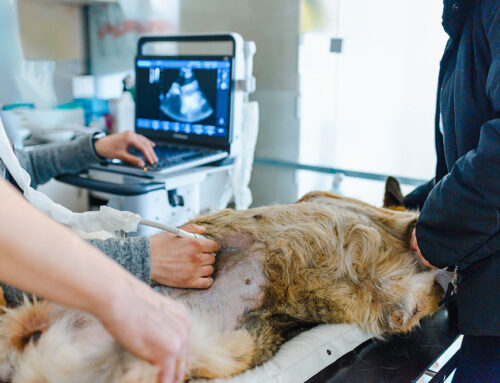
Knowing why your pet is limping requires a physical exam and, in many cases, imaging. The earlier a structural problem is identified, the more options are available and the less secondary damage tends to occur. Our team performs thorough orthopedic evaluations and can guide next steps including imaging and specialist consultation.
CCL Tears and TPLO: The Most Common Orthopedic Surgery in Dogs
Canine cruciate ligament injury is the most common orthopedic diagnosis in dogs. The cranial cruciate ligament, or CCL (the dog equivalent of the human ACL), stabilizes the knee by preventing the tibia from sliding forward. When it tears, the joint becomes unstable, painful, and prone to rapid arthritis. Unlike human ACL injuries, canine CCL tears frequently develop through gradual degeneration rather than a single traumatic event, with some dogs experiencing a partial tear before full rupture occurs weeks or months later.
We offer several surgical options for CCL repair, chosen based on the individual dog’s size, anatomy, and activity level:
- Extracapsular repair (ECR) / Lateral fabellar suture (LFS):A strong suture placed outside the joint to mimic the stabilizing function of the torn ligament. Best suited for smaller and less active dogs.
- TPLO (Tibial Plateau Leveling Osteotomy):The most widely performed correction for larger and more active dogs. Rather than replacing the torn ligament, TPLO surgery changes the geometry of the tibial plateau (the top surface of the shin bone), so the joint no longer depends on the ligament for stability. The bone is cut, rotated, and secured with pre-contoured locking implants while it heals. Most dogs return to full activity within 4-6 months with proper rehabilitation.
More complex knee injuries involving multiple ligament tears are also within our surgical scope and require careful planning to restore stability across multiple structures at once.
Hip Dysplasia and Hip Joint Conditions
Hip dysplasia is a developmental condition where the ball-and-socket hip joint doesn’t form correctly, leading to looseness, abnormal wear, and eventually painful arthritis. It’s most common in large and giant breed dogs, though smaller breeds and cats can be affected too. The range of hip dysplasia surgical options is broader than most owners realize, and the right choice depends on the patient’s age, degree of joint disease, and lifestyle:
- Juvenile Pubic Symphysiodesis (JPS): A preventive procedure in puppies under 20 weeks that alters how the pelvis grows to improve joint fit. Has to be done very early to be effective.
- Triple or Double Pelvic Osteotomy (TPO/DPO): For younger dogs with hip laxity but minimal arthritis, these procedures reorient the hip socket to improve stability.
- FHO (Femoral Head and Neck Ostectomy): Femoral head ostectomy removes the ball of the hip joint entirely, allowing the body to form a fibrous false joint in its place. It sounds counterintuitive, but in the right patient it provides effective, lasting pain relief. Best suited for smaller dogs and cats.
- Total Hip Replacement (THR): The most complete solution for larger dogs with significant arthritis. A hip replacement in dogs follows similar principles to the human procedure, replacing the joint components entirely and allowing near-normal function.
Hip luxation, where the hip joint has dislocated and can’t be kept in place non-surgically, and Legg-Calvé-Perthes disease, where blood supply to the femoral head is disrupted and the bone deteriorates, are additional hip conditions managed surgically with procedures like an FHO. Our surgical services include the evaluation and imaging needed to determine which approach makes sense for your individual pet.
Patellar Luxation: When the Kneecap Won’t Stay Put
Patellar luxation is exactly what it sounds like – the kneecap slips out of its groove in the femur, either toward the inside of the leg (medial luxation, by far the most common) or the outside. It’s particularly prevalent in small and toy breeds, with Chihuahuas, Pomeranians, Yorkshire Terriers, and Boston Terriers among the most frequently affected, though larger breeds can have it too.
Patellar luxation is graded 1 through 4. Grades 1 and 2 involve intermittent slipping that dogs often self-correct, sometimes showing up as a brief skipping step. Grades 3 and 4 involve the kneecap spending most or all of its time out of the groove, causing more consistent lameness and discomfort. Surgery is typically recommended for Grade 2 with clinical signs, and for Grades 3 and 4. Without correction, chronic luxation leads to cartilage damage and early arthritis. We can provide surgical care for patellar luxation right in our Elgin hospital.
Shoulder and Elbow Conditions
Front-limb lameness is frequently traced to the shoulder or elbow, and the range of conditions affecting these joints is wider than many owners expect.
Osteochondritis Dissecans (OCD)
OCD occurs when a flap of cartilage separates from a joint surface, causing pain, inflammation, and lameness. It most commonly affects the shoulder in young, large-breed dogs but can also occur in the elbow, hock, and stifle. Our board-certified surgeon can address OCD using cartilage graft techniques that treat the defect directly and support better long-term joint function.
Elbow Dysplasia
Elbow dysplasia covers several related developmental conditions – fragmented coronoid process (FCP/FMCP), ununited anconeal process (UAP), and OCD of the elbow – all of which cause pain, cartilage wear, and progressive arthritis. These typically present in young large-breed dogs like Labradors, Golden Retrievers, and Rottweilers. Surgical management involves removing the loose or fragmented material, and in some cases an ulnar osteotomy to relieve pressure across the joint. Both traumatic and congenital shoulder and elbow dislocations also fall within our surgical scope.
Neurological Procedures: When the Spine Is Involved
Our surgical care with our mobile board-certified surgeon extends into spinal surgery, which is particularly relevant for breeds prone to back problems. If you’ve ever watched a Dachshund go from perfectly fine to suddenly unable to move, you’ve likely witnessed IVDD in real time.
Intervertebral disc disease (IVDD) occurs when the cushioning discs between vertebrae herniate and press on the spinal cord or nerve roots, causing anything from neck or back pain to hind limb weakness, loss of coordination, or paralysis. Surgical options decompress the spinal cord by removing bone or disc material.
Fractures: From Simple Breaks to Complex Repairs
Fractures happen through trauma, falls, vehicle strikes, or occasionally through underlying conditions like bone tumors. Broken bones in dogs need prompt stabilization and pain management from the moment of injury. Puppy fractures often involve growth plates and require especially careful management, and fracture repair in cats is guided by their size and bone density.
Our fracture repair options include internal fixation with plates, screws, and pins, as well as external skeletal fixation for open fractures or challenging locations. Our surgeon also offers fracture-specific implants for the pelvis, extremities, and difficult toy-breed radius-ulna cases. No matter how severe the fracture, we can help.
For urgent limb injuries, our urgent and emergency care is available six days a week for same-day evaluation and pain control.
Before Surgery: What to Expect
The period leading up to surgery matters as much as the procedure itself. Pre-surgical bloodwork, anesthesia assessment, and imaging are completed in advance. Detailed pre-procedure information walks owners through fasting requirements, medication protocols, and what to bring on the day. We go through all of this with you in advance so there are no surprises.
Recovery: What the First Weeks Look Like
Recovery from orthopedic surgery is active work, and it genuinely requires commitment from the owner. Comprehensive postoperative care guidelines are provided so you have a clear reference at every stage. In general:
Weeks 1-2: Strict crate rest, limited to short leash walks for bathroom breaks only. Most pets feel better faster than the bone actually heals, which is why activity restriction has to be enforced even when the dog seems ready to play.
Weeks 2-6: Gradual, controlled reintroduction of movement with incrementally longer leash walks as healing progresses.
Weeks 6-12 and beyond: Follow-up imaging to confirm healing, then a progressive return to normal activity.
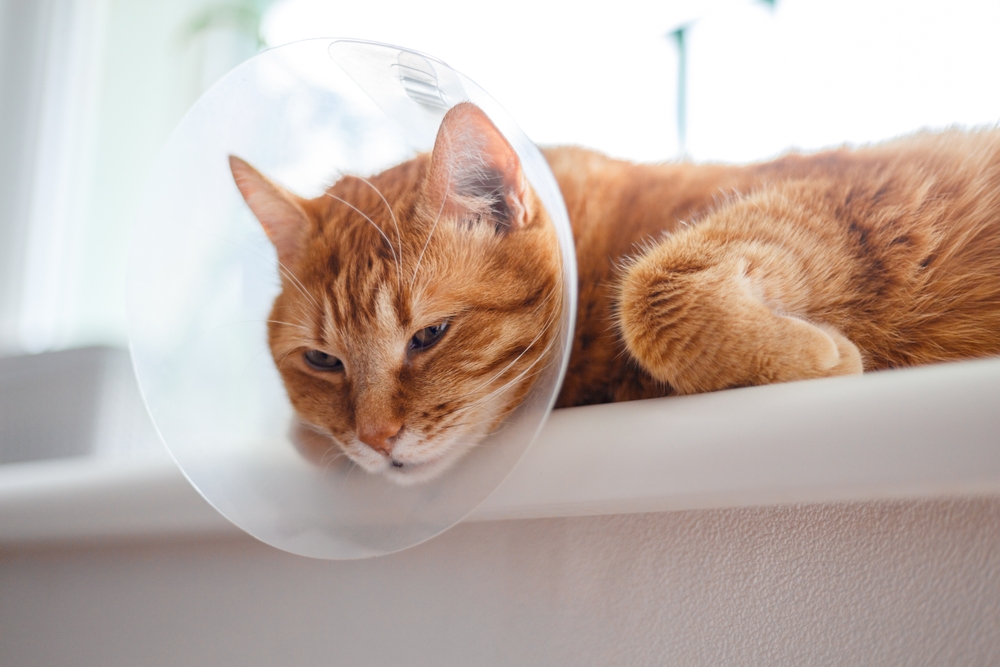
Pets will need to wear a cone or recovery collar during initial healing to protect the incision. Lifting harnesses for hind legs and lifting harnesses for front legs are especially helpful for larger dogs who need support while rebuilding muscle and balance, or for dogs who have spinal procedures.
Long-Term Orthopedic Health
Physical rehabilitation after surgery is not optional for the best outcomes. Basic home protocols typically include passive range-of-motion exercises, controlled leash walking on flat surfaces, and therapeutic exercises like sit-to-stand repetitions to rebuild supporting muscle. Weight management is equally important – excess body weight increases joint load and speeds arthritis progression. We carry hip and joint supplements, and our nutritional counseling services can help you identify diet options that support long-term joint health.
FAQ: Orthopedic Surgery in Dogs and Cats
How do I know if my pet needs surgery versus rest and medication?
Not all orthopedic problems require surgery. Mild patellar luxation, early hip dysplasia, and some soft tissue injuries respond well to medical management and rehab. Surgery is generally the better path when the structural problem causes ongoing instability, will continue to worsen without correction, or when the pet is young and active enough to benefit significantly from improved joint function. A physical exam and imaging are where that conversation starts.
Is orthopedic surgery safe?
Every surgery carries some risk, but orthopedic procedures in healthy patients have excellent safety profiles when performed by experienced surgeons with proper anesthesia monitoring. Pre-surgical bloodwork, IV fluids, and dedicated monitoring throughout the procedure are standard parts of what we do.
What happens if we choose not to do surgery?
It depends on the condition. For a complete CCL tear, the joint remains unstable, the meniscus is at high risk of tearing, and arthritis progresses rapidly. For Grade 3-4 patellar luxation, chronic instability leads to cartilage damage and progressive pain. For IVDD with significant neurological signs, prompt surgical decompression is often the difference between recovery and permanent deficits.
How long is recovery?
Most major orthopedic surgeries involve 8-16 weeks of restricted activity before return to full function. Follow-up imaging confirms bone healing before activity is gradually resumed.
Can anything be done to prevent orthopedic problems?
For developmental conditions like hip or elbow dysplasia, genetics play a large role. Keeping your pet lean, providing age-appropriate exercise, avoiding high-impact activity in growing large-breed puppies, and scheduling regular wellness visits to catch problems early are the most meaningful steps you can take.
Ready to Talk About Your Pet’s Mobility?
Orthopedic problems are fixable, and pets who receive appropriate care go on to live comfortable, active lives. If your dog is limping, your cat has stopped jumping, or something just seems off in the way your pet moves, a proper evaluation is always the right first step.
With board-certified surgical expertise available right here in Elgin, our patients get specialist-level care without having to go anywhere new. Book an appointment online or call us at (847) 741-6770. Your pet’s comfort is worth that conversation.



Leave A Comment