
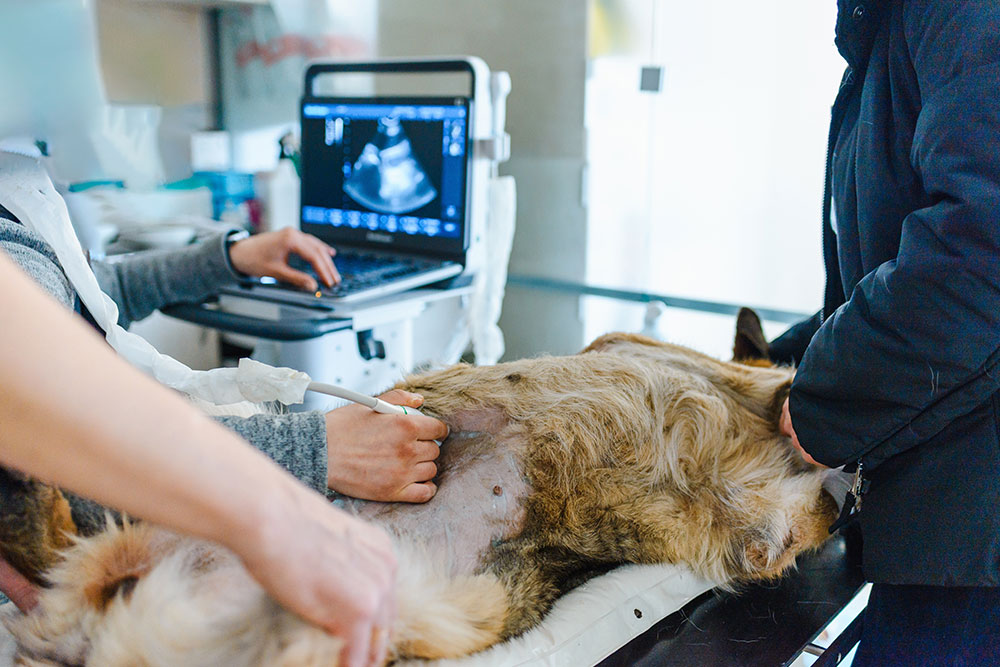
Abdominal X-Rays and Ultrasound: How They Work Together to Find Answers
Your cat has been vomiting for two days. Your dog suddenly will not put weight on his back leg. Your pet seems tired, is breathing faster than usual, and you cannot figure out why. In moments like these, a physical examination can tell your veterinarian a lot, but it cannot show what is happening inside your pet’s body. That is where diagnostic imaging comes in. X-rays and ultrasound are two complementary tools that help veterinarians see beyond the surface, identify the cause of symptoms, and develop targeted treatment plans.
At Cobb & Co. Veterinary Clinic in Elgin, Illinois, we use both digital X-rays and ultrasound as part of our diagnostic approach. These technologies work together to give us the clearest possible picture of your pet’s health. If your pet is showing symptoms that concern you, please book now for an evaluation, or contact us to discuss what you are seeing.
Why Do Pets Need Both X-Rays and Ultrasound?
X-rays and ultrasound are not interchangeable. Each technology has specific strengths, and many conditions benefit from using both together.
X-rays (radiographs) use a small amount of radiation to create images of dense structures like bones, as well as air-filled spaces like lungs. They excel at showing:
- Bone fractures and joint problems
- Heart and lung abnormalities
- Foreign objects in the digestive tract
- Bladder stones
- Overall organ size and position
Ultrasound uses sound waves to create real-time images of soft tissue structures. It excels at showing:
- Organ internal structure and texture
- Fluid accumulation
- Masses and tumors within organs
- Blood flow (with Doppler technology)
- Pregnancy and fetal development
When a pet presents with vague symptoms like vomiting, lethargy, or abdominal pain, combining both modalities often provides the most complete picture.
How Does Imaging Help with Vomiting and Diarrhea?
Digestive symptoms are among the most common reasons pets need imaging. Vomiting and diarrhea have dozens of potential causes, from dietary indiscretion to serious illness.
What X-rays reveal:
- Foreign objects that pets have swallowed (toys, bones, fabric)
- Intestinal obstruction patterns (gas buildup, distended loops)
- Overall organ positioning
- Some types of masses
What ultrasound reveals:
- Intestinal wall thickness and structure
- Liver, spleen, and pancreas detail
- Fluid in the abdomen
- Masses within organs
- Movement of intestinal contents in real time
If your dog ate something they should not have, X-rays often show the object or the pattern of obstruction it is causing. Ultrasound helps evaluate whether the intestines are damaged and how urgently surgery may be needed.
For sick pet visits, we offer same-day imaging when GI symptoms are severe or persistent. If your pet has repeated vomiting, blood in their stool, or you suspect they swallowed something dangerous, please contact us right away.
What About Coughing and Breathing Problems?
Respiratory symptoms can range from minor to life-threatening, and imaging helps determine which you are dealing with.
What X-rays reveal:
- Lung patterns suggesting pneumonia, asthma, or fluid
- Heart size and shape (enlarged hearts show clearly)
- Collapsed trachea in small breed dogs
- Masses in the chest cavity
What ultrasound reveals:
- Fluid around the lungs or heart that can be sampled
- Heart structure and valve function (echocardiography)
- Masses in the chest when X-ray findings are unclear
Feline asthma shows characteristic lung patterns on X-rays. Heart disease may first appear as an enlarged heart shadow on radiographs, with ultrasound then providing detailed information about which structures are affected and how severely.
Breathing difficulties can escalate quickly. Our urgent and emergency pet care services include oxygen support and rapid imaging when pets are in respiratory distress. If your pet is struggling when breathing, coughing persistently, or seems unusually tired, please contact us immediately.
How Does Imaging Help with Limping and Orthopedic Problems?
When a pet is limping or refusing to bear weight, the first question is: where does it hurt, and why?
What X-rays reveal:
- Broken bones and fractures
- Arthritis and joint degeneration
- Hip dysplasia
- Bone tumors
- Dislocations
X-rays are the primary imaging tool for orthopedic problems. They show bone detail clearly and help us localize exactly where the problem is occurring.
What ultrasound can add:
- Ligament and tendon injuries (in some cases)
- Muscle tears or abscesses
- Joint fluid evaluation
For most orthopedic concerns, X-rays provide the answers we need. Our on-site digital radiography allows quick imaging, and we can begin pain management and stabilization the same day. If your pet has experienced trauma, is suddenly lame, or refuses to put weight on a leg, please book now for evaluation.
Why Are Dental X-Rays So Important?
Many dental problems are invisible during a visual examination because they occur below the gum line. Dental radiographs reveal what we cannot see otherwise:
- Tooth root abscesses
- Bone loss from periodontal disease
- Fractured tooth roots
- Retained tooth fragments
- Resorptive lesions (especially common in cats)
Ultrasound is not useful for dental imaging because sound waves cannot penetrate bone and enamel effectively.
Dental X-rays are taken during professional dental cleanings under anesthesia, allowing us to evaluate every tooth thoroughly. Our dental packages are a great way to get comprehensive dental care, including x-rays, at reasonable prices. If your pet has bad breath, is drooling, pawing at their face, or having difficulty chewing, please schedule an appointment for evaluation.
What Can Imaging Tell Us About Urinary and Reproductive Health?
Urinary problems and reproductive concerns often require imaging for accurate diagnosis, and both types of imaging are helpful for different reasons.
What X-rays reveal:
- Urinary stones (most types are visible)
- Kidney size and shape
- Late-term pregnancy (fetal skeletons become visible)
What ultrasound reveals:
- Bladder wall thickening and masses
- Kidney internal structure
- Pyometra (uterine infection)
- Early pregnancy confirmation
- Prostate abnormalities
For pets straining to urinate, producing bloody urine, or showing signs of urinary tract infection, imaging helps determine whether stones, tumors, or structural problems are involved. If you are concerned about straining, blood in urine, or abnormal heat cycles, please contact us right away to schedule an evaluation.
How Does Imaging Help with Cancer?
When cancer is suspected or confirmed, or if you’re interested in screening for an older pet who may be at higher risk of certain cancers, imaging plays multiple important roles:
- Detection: Finding tumors and masses
- Staging: Determining how far disease has spread
- Biopsy guidance: Helping collect tissue samples safely
- Monitoring: Tracking response to treatment
What X-rays show:
- Lung metastases (cancer spread to the lungs)
- Bone tumors and bone involvement
- Chest masses
- Overall organ enlargement
What ultrasound shows:
- Diagnosing cancer in abdominal organs
- Liver and spleen masses
- Lymph node enlargement
- Guiding needle biopsies for tissue sampling
For families facing a cancer diagnosis, repeat imaging helps track how tumors respond to treatment and guides decisions about ongoing care. For pet owners with dogs at high risk of certain cancers- like Golden Retrievers or German Shepherds who are at risk of developing splenic hemangiosarcoma, or Rottweilers and Great Danes at risk of developing bone cancers like osteosarcoma, using x-ray and ultrasound to screen your pet periodically before symptoms appear can be life-saving.
If you have noticed lumps, unexplained weight loss, or persistent fatigue in your pet, we encourage you to schedule a consultation with our team.
What Should You Expect During Imaging?
Understanding the process can help reduce anxiety for both you and your pet.
For X-rays:
- Your pet will be positioned on a table, usually lying on their side or back
- Brief stillness is required (usually just seconds); short-acting sedation is usually needed to ensure they lay perfectly still, especially for painful, anxious, or very wiggly patients
- The procedure is quick and uses very low radiation levels.
- X-rays are usually taken in sets of 3; on from each side, and one while your pet is laying on their back.
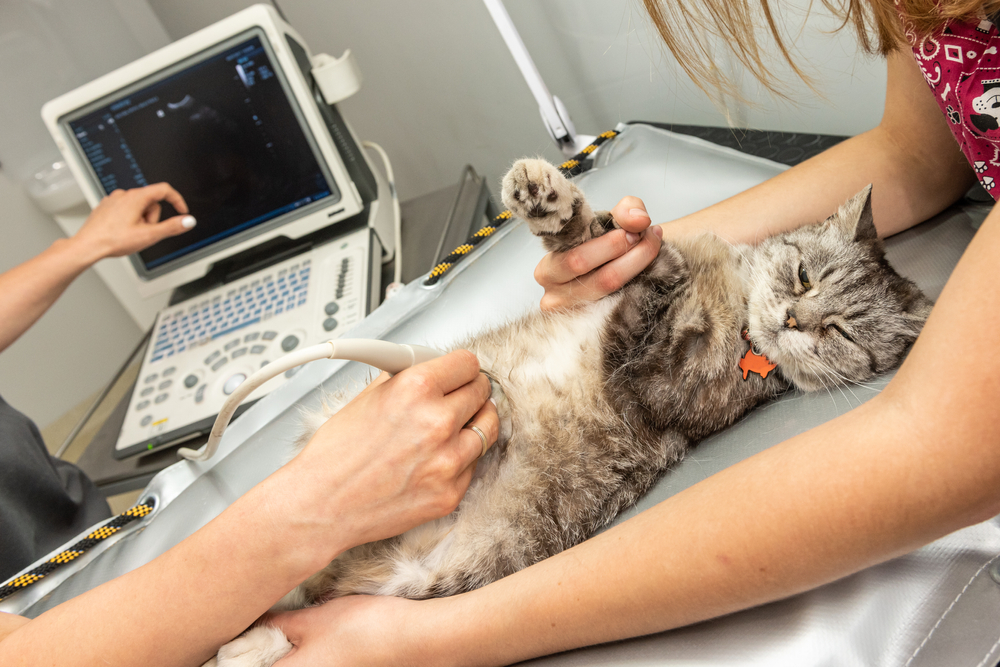
For ultrasound:
- An area of fur may be shaved to improve image quality
- Warm gel is applied to the skin
- The probe is gently moved across the area being examined
- Most pets tolerate ultrasound well without sedation
- The procedure is completely painless and uses no radiation
Both imaging modalities are safe when performed by trained veterinary professionals. We prioritize low-stress handling and will discuss sedation options if your pet is particularly anxious.
Why Early Imaging Matters
Diagnostic imaging provides answers that physical examination alone cannot. Early imaging often:
- Identifies problems before they become emergencies
- Guides treatment decisions with clarity
- Reduces the time your pet spends uncomfortable
- Prevents complications from delayed diagnosis
- Gives you peace of mind about what is happening
X-rays and ultrasound complement each other beautifully. One shows structure, the other shows function. One excels at bones and air, the other at soft tissue detail. Together, they help us understand what your pet is experiencing and how best to help.
FAQs
Is imaging safe for my pet?
Yes. X-rays use very low radiation levels, and modern digital equipment minimizes exposure. Ultrasound uses sound waves with no radiation at all. Both are considered very safe diagnostic tools.
How long does imaging take?
X-rays typically take just a few minutes. Ultrasound examinations may take 15 to 30 minutes depending on what is being evaluated.
Will I get results the same day?
In most cases, yes. We review images during your visit and discuss findings with you. Complex cases may benefit from radiologist consultation, which can take an additional day or two.
Does my pet need to fast before imaging?
Fasting is often recommended before abdominal ultrasound because a full stomach can obscure other organs. We will provide specific instructions when you schedule.
Getting Answers for Your Pet
When symptoms are confusing or concerning, imaging provides clarity. At Cobb & Co. Veterinary Clinic, we use X-rays and ultrasound together to understand what is happening inside your pet’s body and develop targeted treatment plans.
If your pet is showing ongoing symptoms or sudden changes, please book now for a diagnostic evaluation. Our team is here to help you understand what your pet needs and provide the compassionate care they deserve.







Leave A Comment