
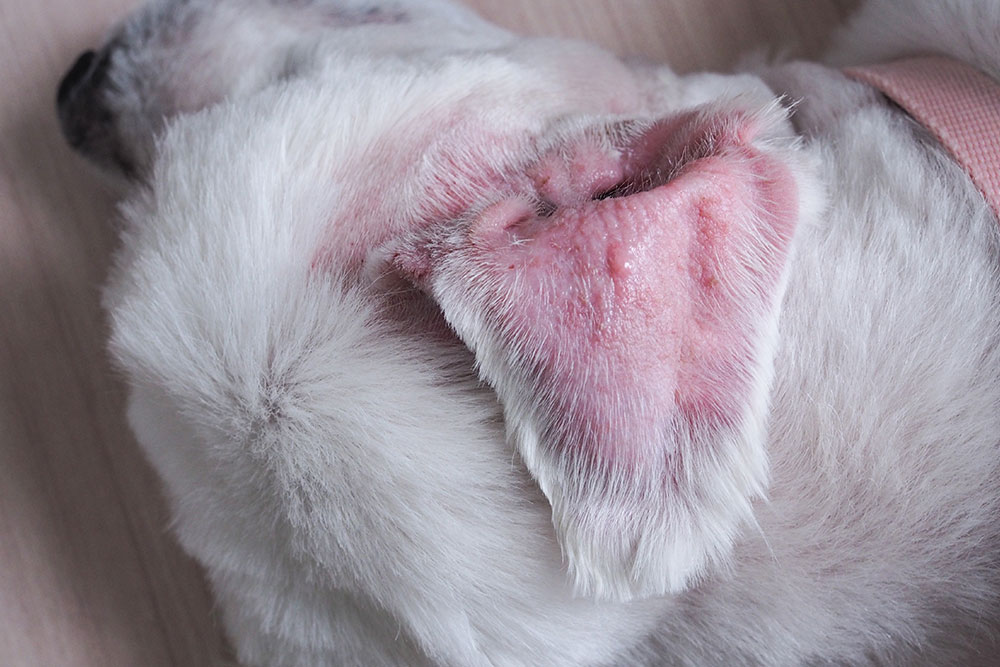
Your dog has been shaking his head and itching his ears all week- and today, his head is tilted with one ear hanging low and swollen. This sudden change can be alarming for any dog owner. That swelling could be a painful pocket of blood, known as an aural hematoma, and often forms after vigorous head shaking or scratching that damages the ear. Understanding this condition is key, as proper treatment of the hematoma, which usually involves drainage or surgery, and treatment of the underlying ear disease is necessary to quickly restore your pet’s comfort and prevent permanent scarring or damage to the ear flap.
At Cobb & Co. Veterinary Clinic, our team frequently sees pets with ear discomfort and infection, and we know how distressing this can be for both you and your dog. Our gentle, low-stress approach and same-day urgent care availability mean we can evaluate and treat ear hematomas quickly and dig in the the reason why it happened, treating the cause and helping your pet feel relief while protecting their long-term ear health.
Understanding Ear Hematomas in Dogs
What Ear Hematomas Are and Why They Form
An ear hematoma occurs when small blood vessels inside the ear flap rupture, allowing blood to accumulate between layers of tissue. This creates a soft, balloon-like swelling that may feel fluid-filled or firm, depending on severity. It may also feel warm, and appear red or thickened. Many dogs shake their heads repeatedly or scratch the affected ear. They might also tilt their head to one side, avoid being touched, or seem unusually quiet due to pain. Vigorous scratching, shaking, or trauma often causes these ruptures. Addressing the cause is critical- hematomas are almost always a symptom of more serious ear disease.
Common triggers include allergies, infections, and even minor bumps or scratches. Allergies and infection cause intense itching and discomfort, which triggers your dog to shake their head or scratch to relieve the feeling. Head shaking can be especially problematic for dogs with long, floppy ears, since the ear can slap against their head, door frames, or furniture- causing rupture of those internal blood vessels. If left untreated, the ear can harden or crumple as the blood clots inside the ear and scar tissue forms.
Our veterinarians take the time to gently evaluate the swelling, identify the underlying cause, and create a tailored plan that may involve fluid drainage, surgical repair, or allergy management to prevent recurrence. Diagnostic imaging and ear cytology may also be used to confirm infection and rule out deeper causes like ear canal masses or foreign material.
Causes and Risk Factors of Dog Ear Hematomas
What Leads to Ear Hematomas in Dogs?
Hematomas are usually a symptom of another problem. The most common causes include:
- Ear infections or otitis externa, which cause itching, head shaking, and inflammation of the ear canal.
- Dog allergies, either to the environment or food- often leading to chronic ear irritation and scratching.
- Minor trauma during rough play or vigorous grooming.
You may notice secondary signs of the underlying cause, such as a foul odor, waxy discharge, or excessive ear debris, which point toward infection or allergies. Chronic irritation can make dogs lethargic, grumpy, and lead to small scabs inside and around the ear from repeated scratching.
Dogs with long, floppy ears or those prone to allergies are at higher risk, as moisture and heat can trap bacteria and yeast within the ear canal. Chronic inflammation damages ear tissue, making blood vessels more fragile and prone to rupture.
How Do Vets Diagnose the Underlying Cause of Hematomas?
By addressing the root cause, whether an infection or allergen (or both), you can significantly lower the chance of another hematoma forming. Cytologic testing or culture is used to identify bacteria, yeast, and parasites like ear mites- this is necessary to ensure we’re providing the right medication for your dog’s specific issues.
Allergy testing for environmental triggers may be recommended, especially if your dog gets seasonal ear infections. Environmental allergy treatment can range from antihistamines to Apoquel, Cytopoint, and immunotherapy– we’re here you decide the best way to keep your pet comfortable. If food allergies are a possible cause of your dog’s ear inflammation and itchiness, our nutrition counseling service helps you perform food trials to find the triggers and create long-term plans for success.
At Cobb & Co. Veterinary Clinic, we offer personalized allergy management, diagnostics, and infection control strategies to reduce irritation and improve long-term ear health. If your pet is itchy, book an appointment so we can help them stay comfortable and prevent infections before they start.
Treatment Options for Ear Hematomas
Medical and Surgical Interventions
Every hematoma is unique, and treatment depends on its size, duration, and underlying cause. Smaller hematomas may occasionally resolve on their own, but this often leads to scarring. Most require medical or surgical intervention to restore the ear’s normal shape and relieve pain.
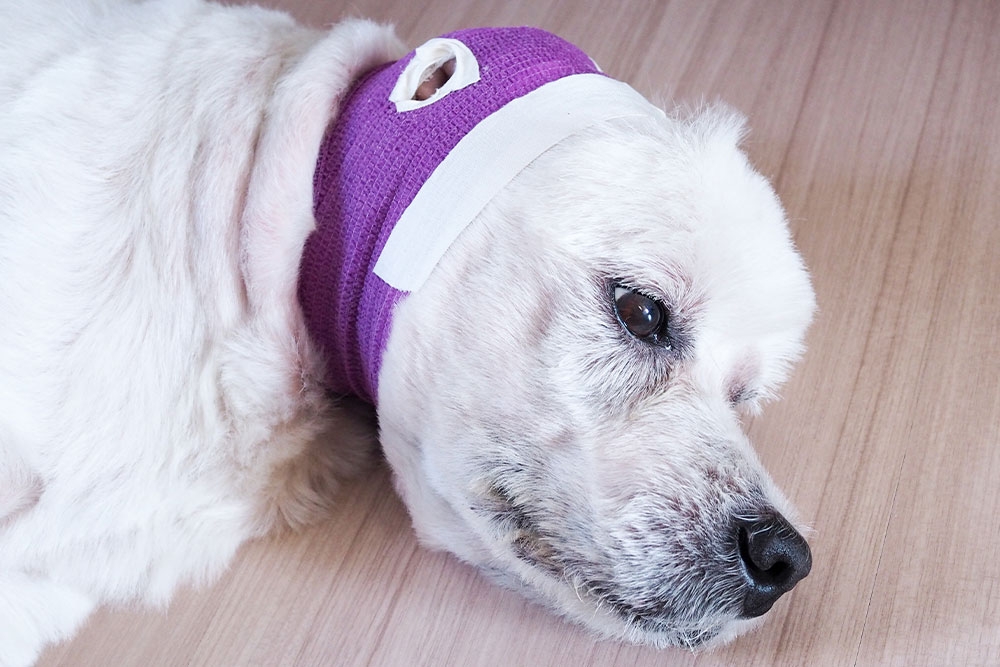
- Fluid drainage can relieve pressure temporarily but must be combined with addressing the cause of the irritation to prevent recurrence. Drains or pressure bandages are sometimes used to encourage healing from within. The ear often heals with a thickened or wrinkled appearance.
- Surgery often provides the most effective, lasting solution by removing fluid and suturing the ear to prevent re-accumulation. It also allows for thorough cleaning and evaluation of any concurrent ear disease. Surgery is the best way to ensure the ear heals flat and without scarring.
- Medication and long-term ear care may be prescribed to control infection or inflammation. Proper ear hygiene is vital during recovery. Gentle ear cleaning helps maintain a healthy environment.
If surgery is needed, our team will guide you through every step, from anesthesia safety and pain management to detailed aftercare instructions designed to promote smooth healing. Most dogs recover fully within a few weeks.
Helping Your Dog Heal Comfortably
After treatment, consistent care and monitoring are essential to prevent re-injury and promote healing. Your veterinarian may recommend limited activity and an e-collar or head wrap to protect the ear during recovery. In some cases, a No Flap Ear Wrap can stabilize the ear and minimize head shaking.
Owners should check the ear daily for swelling, discharge, or odor. A small amount of fluid drainage is normal for a day or two after surgery, but if you notice more than a few drops or the swelling increases, take a photo and contact us. If you’re worried, we want to know.
Pain management and antibiotics may be prescribed, depending on the underlying infection or inflammation. Preventing head shaking and scratching during this stage is critical to ensuring the hematoma does not reoccur.
To prevent future hematomas:
- Keep your dog’s ears clean and dry.
- Address allergies promptly.
- Treat infections or itchiness early.
- Monitor your pet for any recurrent scratching or head shaking.
Regular wellness exams at Cobb & Co. Veterinary Clinic allow us to detect ear problems early and customize preventive plans based on your dog’s needs. Prompt treatment is essential. If swelling is large or your pet is clearly uncomfortable, same-day attention is best. Our urgent and emergency care team can assess and relieve discomfort quickly while protecting the delicate ear tissue from further injury.
Supporting Your Dog’s Comfort and Health
Ear hematomas can be painful and distressing, but with early, compassionate care, most dogs recover fully.
At Cobb & Co. Veterinary Clinic, we believe in a proactive, low-stress approach that helps dogs feel at ease while receiving the care they need. If you notice swelling or irritation in your dog’s ear, don’t wait, schedule a visit today. Our team is here to help your pet heal comfortably and return to their happy, healthy self.
Book an appointment or contact us to discuss your dog’s symptoms and get professional, personalized care you can trust.







Leave A Comment